


Blog list
High5 Vision Development Blog
Learn more about optometrist care in our blog!

As fall days get shorter, New Braunfels families often spend more time indoors. Homework shifts to laptops, parents finish work on computers, and phones, tablets, gaming systems, and televisions can fill more of the evening. That increase in screen time may leave both children and adults with tired, dry, or blurry eyes.
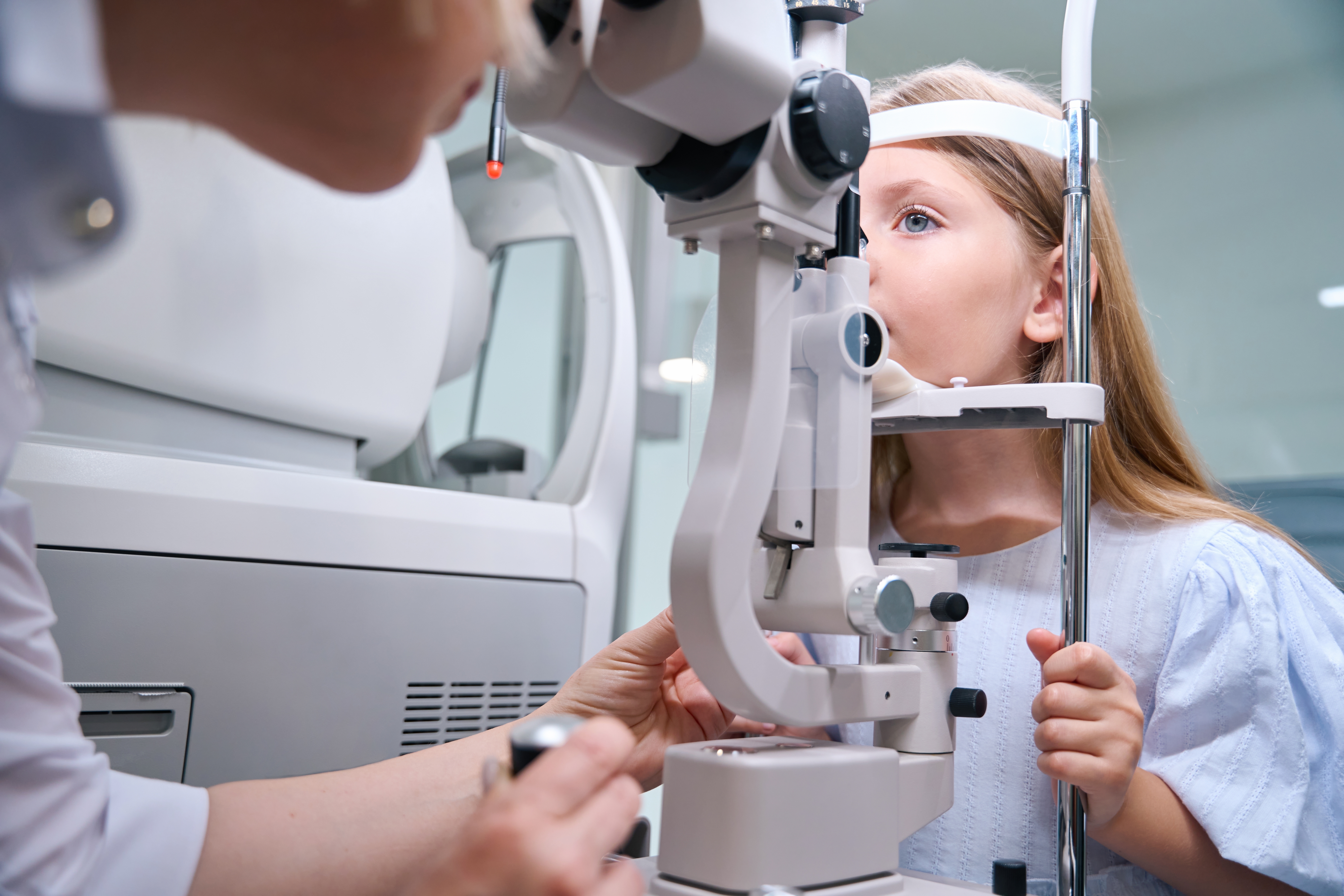
When your child passes a school vision screening, it can be reassuring. However, passing a screening does not necessarily mean their eyes and visual system are functioning at their best. At High5 Vision Development, we provide comprehensive eye exams in New Braunfels that look beyond basic eyesight to evaluate eye health, visual skills, and how well the eyes work together.
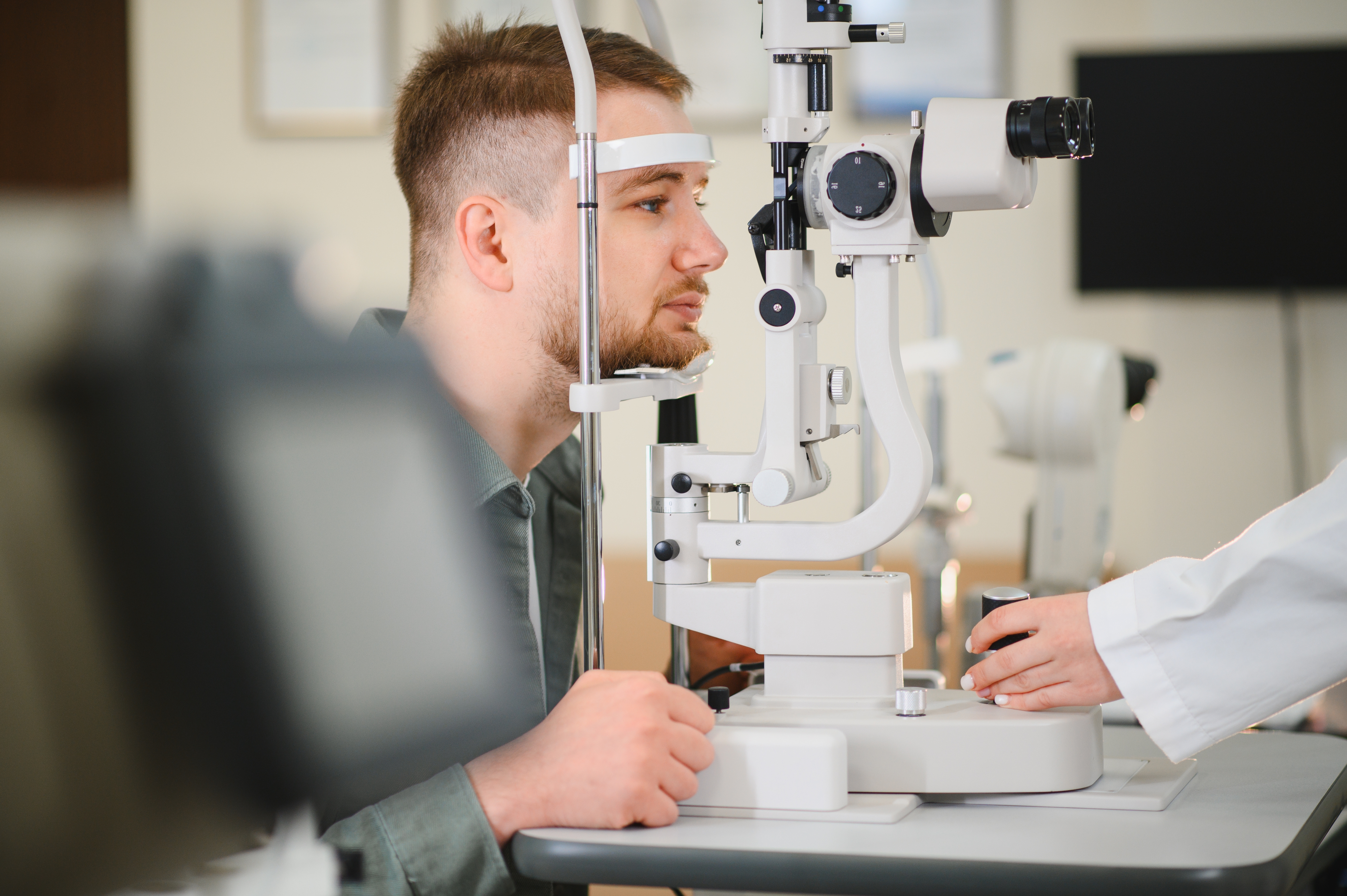
Driving through New Braunfels often means facing intense Central Texas sunlight, reflective pavement, sudden shade, and heavy traffic. Whether you commute along I-35, travel on Highway 46, or handle daily errands around town, glare can make road signs, lane markings, vehicles, and pedestrians harder to see. An annual eye exam helps confirm that your vision is clear, comfortable, and prepared for changing driving conditions.

Reading should not leave your eyes exhausted, sore, or unable to maintain focus. When these symptoms occur regularly, the problem may involve more than eyesight clarity. Hidden difficulties with eye teaming, focusing, and tracking can force the visual system to work harder during close-up tasks. For adults and children in New Braunfels, identifying hidden eye muscle strain and other functional vision problems may explain why reading, homework, computer work, or studying feels unusually tiring.

Lazy eye, also called amblyopia, can affect how clearly a child sees, how well the eyes work together, and how confident they feel in the classroom. While some children show obvious signs, others adapt to vision struggles without realizing anything is wrong. That is why June is an important time for parents to schedule an evaluation and begin treatment before school starts.

Dry eyes can happen after a long day of screen use, time outdoors, allergies, or exposure to wind and dry air. However, when symptoms keep coming back or begin affecting your comfort, vision, or daily routine, it may be time to see an eye doctor.

A traumatic brain injury can affect more than memory, balance, or concentration - it can also disrupt the way the eyes and brain work together. After a concussion or other head injury, many patients notice blurred vision, double vision, eye strain, light sensitivity, or trouble focusing. In New Braunfels, early intervention for post-TBI vision rehabilitation can make a meaningful difference in how quickly and effectively these symptoms are addressed.

A comprehensive eye exam can do more than determine whether you need glasses or contact lenses. Because the eyes contain delicate blood vessels, nerves, and tissues that can be viewed directly, changes in eye health may sometimes point to broader health concerns. That is one reason regular eye exams matter, even when your vision seems stable. High5 Vision Development emphasizes a clinical approach that looks beyond a simple 20/20 prescription for patients in New Braunfels.

Vertigo and chronic dizziness can disrupt every aspect of daily life. While many people assume these symptoms are caused solely by inner ear problems, vision often plays a critical and overlooked role. At High5 Vision Development, we help patients uncover the visual causes of dizziness and provide customized solutions through vision therapy in New Braunfels.

Your vision isn’t static - it evolves with every stage of life. From early childhood development to the natural changes that come with aging, your eyes require different types of care over time. Many vision and eye health issues develop gradually, often without noticeable symptoms, making regular eye exams more important than most people realize.


Contact Info
Hours of Operation
- Monday 8:30am - 6:00pm
- Tuesday 8:30am - 6:00pm
- Wednesday 8:30am - 6:00pm
- Thursday 8:30am - 6:00pm
- Friday 8:30am - 3:00pm
- Saturday Closed
- Sunday Closed
© 2026 High5 Vision Development. All rights Reserved. Accessibility Statement - Privacy Policy - Sitemap
Powered by:
