


Why Early Intervention Matters in Post-TBI Vision Rehabilitation
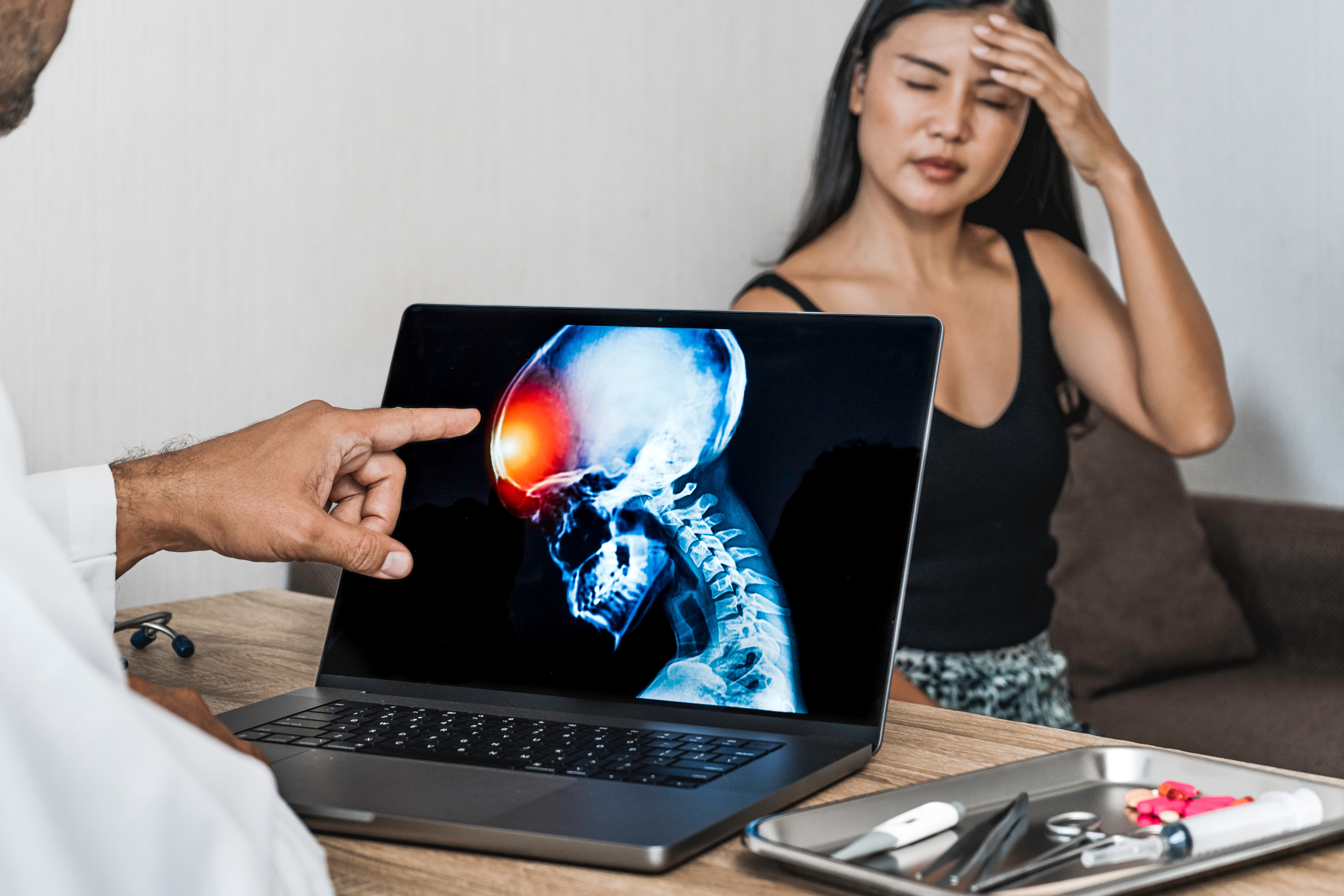
A traumatic brain injury can affect more than memory, balance, or concentration - it can also disrupt the way the eyes and brain work together. After a concussion or other head injury, many patients notice blurred vision, double vision, eye strain, light sensitivity, or trouble focusing. In New Braunfels, early intervention for post-TBI vision rehabilitation can make a meaningful difference in how quickly and effectively these symptoms are addressed.
Vision Problems After a TBI Are Easy to Miss
Many post-TBI vision issues are not obvious during a basic eye exam. A person may still read letters on a chart and assume their vision is fine, even while struggling with tracking, depth perception, focusing, or visual processing. These problems can interfere with reading, driving, screen use, work, school, and daily comfort.
That is why timely evaluation matters. Identifying these changes early helps prevent patients from pushing through symptoms that may worsen fatigue and frustration over time.
Early Care Can Support Better Recovery
The visual system is closely connected to the brain. When a brain injury affects visual function, delayed care can make recovery more complicated. Patients may begin compensating in unhealthy ways, such as avoiding near work, limiting movement, or relying on extra effort just to get through routine tasks.
Early post-TBI vision rehabilitation gives us the opportunity to identify specific deficits and build a care plan around them. In New Braunfels, patients who seek care sooner often have a clearer path toward improving comfort, function, and confidence in everyday life.
Symptoms That Should Not Be Ignored
If vision changes begin after a concussion or traumatic brain injury, it is important to take them seriously. Common signs that may point to the need for neuro-optometric care include:
- Blurred or double vision
- Difficulty focusing from near to far
- Light sensitivity
- Headaches during reading or screen time
- Poor eye tracking
- Dizziness or motion sensitivity
- Trouble with balance or coordination
Even mild symptoms can signal a deeper issue in how the visual system is functioning after injury.
Rehabilitation Is Not One-Size-Fits-All
Post-TBI vision rehabilitation should be based on the patient’s exact symptoms and visual demands. Some patients need help with eye teaming or tracking. Others may need support for visual processing, focusing, or reducing strain during daily tasks. A personalized approach allows treatment to target the source of the problem rather than just the symptoms.
At High5 Vision Development, we understand that recovery looks different for every patient. Early assessment helps us determine what is happening and when to begin the right type of support.
Delaying Treatment Can Affect Daily Life
When post-TBI visual symptoms go untreated, they can affect work performance, school participation, physical activity, and overall quality of life. Patients may think they simply need more rest, when in reality the visual system needs focused rehabilitation. The longer these issues continue, the more disruptive they can become.
Getting evaluated early can help patients in New Braunfels move forward with more clarity and less uncertainty after a brain injury.
If you are noticing vision changes after a traumatic brain injury, contact High5 Vision Development in New Braunfels, Texas at (210) 507-7979 to schedule an evaluation.


Contact Info
Hours of Operation
- Monday 8:30am - 6:00pm
- Tuesday 8:30am - 6:00pm
- Wednesday 8:30am - 6:00pm
- Thursday 8:30am - 6:00pm
- Friday 8:30am - 3:00pm
- Saturday Closed
- Sunday Closed
© 2026 High5 Vision Development. All rights Reserved. Accessibility Statement - Privacy Policy - Sitemap
Powered by:
